
Insights
Payroll Checks vs. Direct Deposit
This guide compares the two methods on cost, speed, security, employee experience, and legal rules. It also covers the situations where a paper check is still the better or only option, and how a hybrid approach works.
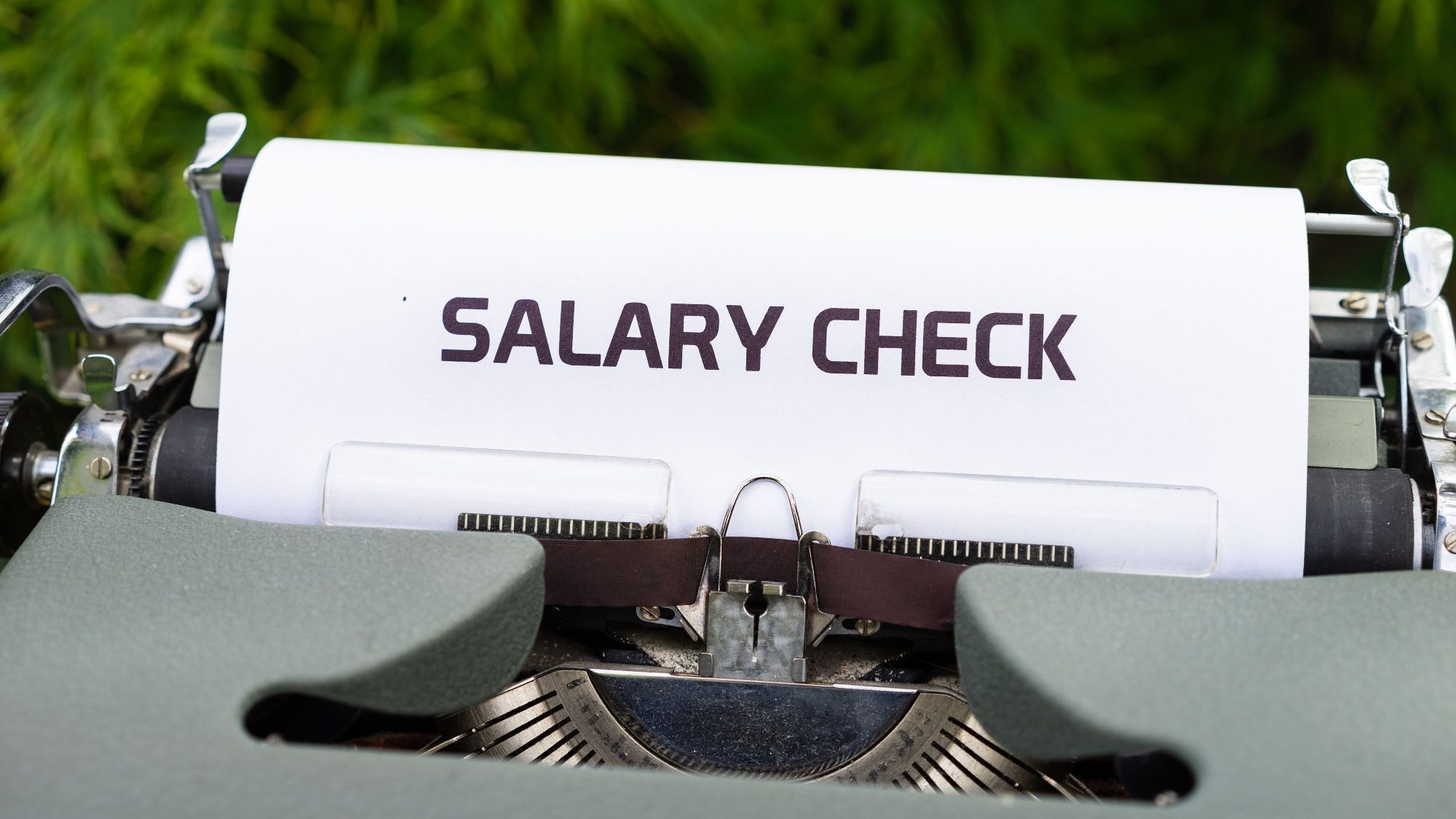
Every small business owner eventually faces the same question on payday: should employees get a paper check or a direct deposit? Most advice online treats it as a one-sided contest, and direct deposit usually wins. In practice, the right answer depends on your team, your state, and how much you value flexibility.
The Short Answer
For most small businesses, direct deposit is the default choice because it is faster, cheaper per payment, and easier to manage. But paper checks have not disappeared for good reasons. Some employees prefer them, some do not have bank accounts, some states restrict mandatory direct deposit, and checks are useful for off-cycle payments and special situations.
Many businesses end up using both: direct deposit for most employees and checks for the exceptions.
How Each Method Works
Direct deposit sends an employee's net pay electronically from your bank account into theirs, usually through the ACH network. You or your payroll provider submits the payment file before payday, and funds typically arrive within one to two business days, sometimes faster with same-day options.
Paper checks are printed or handwritten, signed, and handed or mailed to the employee. The employee deposits or cashes the check, and funds clear when it is processed.
Both are legal ways to pay wages under federal law, which permits payment in cash or a negotiable instrument payable on demand, such as a check, as well as direct deposit.
Direct Deposit: Pros and Cons
Advantages
Lower cost per payment. There is no check stock, printing, postage, or handling. Published estimates vary and some are dated, but they consistently show direct deposit costing a few cents to around 35 cents per payment, compared with roughly 30 cents to $2 for a paper check once everything is counted.
Speed and reliability. Money arrives on payday without anyone going to the bank, and there is nothing to lose in the mail.
Less manual work. No printing, signing, stuffing envelopes, or chasing outstanding checks.
Better security. There is no paper to steal, alter, or forge, and no risk of a lost paycheck.
Easy records. Payments are logged automatically, which simplifies reconciliation.
Employee convenience. Most employees prefer it.
Drawbacks
Setup and consent. You need to collect bank details and, in many states, written employee consent.
Errors can be painful. A wrong account number sends pay to the wrong place, and reversing it can take time.
Not every employee can use it. Employees without bank accounts need an alternative.
Fees can apply. Some banks and payroll providers charge per transaction or add setup fees.
Funding timing. Your account must have funds earlier than with checks, which clear later.
Paper Payroll Checks: Pros and Cons
Advantages
Works for everyone. No bank account is required to receive one, though cashing it may cost the employee money if they do not bank.
No consent paperwork. There is no authorization form for the employee to sign.
Flexibility. Checks are easy to issue for bonuses, corrections, final pay, or one-off situations.
Float. Funds leave your account only when the check clears, which can help cash flow slightly.
Simple for very small teams. If you pay one or two people occasionally, a check can be the least complicated option.
Drawbacks
Higher cost and effort. Printing, signing, distributing, tracking, and reconciling take time and money.
Fraud and loss risk. Checks can be stolen, altered, or lost, and issuing a replacement takes effort.
Delays. Employees must deposit the check, and some wait for funds to clear.
Storage risk. Pre-printed check stock needs to be locked up, since it contains your account details.
Administrative load. Voids, reissues, and outstanding checks all need tracking.
Comparing the True Cost
The cost gap often looks small per payment but adds up across a year. To compare fairly, count everything.
For paper checks:
Check stock or paper
Printer ink or toner
Software or printing tool
Envelopes and postage if mailed
Staff time to print, sign, and distribute
Reconciliation of outstanding checks
Voids and replacements
Bank fees for check processing, where charged
For direct deposit:
Payroll provider or bank fees per payment or per month
Setup fees for new employees
Occasional correction costs
Run the numbers for your own team. A business paying five employees biweekly issues 130 payments a year. At a rough difference of one dollar per payment, that is a modest saving, while a business with 50 employees would save far more.
Legal Considerations
Payment rules vary by state, so check yours before changing methods.
Federal law allows wages to be paid by check or direct deposit, but it does not allow employers to require employees to accept wages on a payroll card, and at least one other option must be offered.
State consent rules. Many states require written employee consent before direct deposit can be used. California, for example, requires employee consent and does not allow employers to make direct deposit a condition of employment. New York has similar rules.
Other states are more permissive. Some allow employers to require direct deposit under certain conditions, such as providing employees access to funds without fees. Texas rules, for instance, are generally less restrictive, but you should confirm current requirements.
Alternatives. Many states that require consent also require you to offer a paper check or other option.
Pay stubs and timing. Pay statements, payday schedules, and rules for final paychecks apply regardless of method and vary by state.
Check with your state labor department or an accountant, because these rules change.
The Hybrid Approach
The most common real-world answer is to use both. A typical setup looks like this:
Direct deposit for employees who want it
Paper checks for employees who prefer them or lack bank accounts
Checks for off-cycle payments, corrections, and final paychecks
Checks as a backup if a direct deposit fails
If you issue only a few checks per pay period, printing them on demand is more practical than keeping stock on hand. A cloud-based tool with payroll check templates lets you generate the checks you need, when you need them, from a standard printer. Keep in mind that check printing tools print the check. They do not calculate withholding or file payroll taxes, so you still need payroll software or an accountant for that.
Which Is Better for Your Business?
Direct deposit is usually the better fit if:
You have more than a handful of employees
Most staff have bank accounts
You want less manual work and faster payment
Your state allows you to offer it easily
Paper checks may be the better fit if:
You have a very small team or pay occasionally
Some employees do not have bank accounts or prefer checks
You need flexibility for off-cycle or special payments
Your state restricts how direct deposit can be required
A hybrid is usually best if:
Your team has mixed preferences
You want direct deposit for efficiency and checks for exceptions
Tips for Running Check Payroll Well
If you pay by check, a few habits reduce errors and risk:
Use a consistent template and numbering sequence. Our guide on how to print checks at home covers the setup.
Store blank check stock under lock, or print on demand to avoid keeping stock. See our comparison of blank check stock vs preprinted checks.
Separate duties so the person who prints checks is not the one who signs and reconciles them
Distribute checks promptly and keep a log of who received what
Reconcile outstanding checks each pay period
Void and reissue errors immediately, and keep records
Final Thoughts
Direct deposit wins on cost, speed, and convenience, and that is why most employers use it. But paper checks remain useful for employees who need them, for flexibility, and for exceptions. The best approach is the one that fits your team and your state's rules. For many small businesses, that means direct deposit as the default and checks as a well-run backup.
Print Your Checks Team